There are times in every business when hard decisions need to be made. It could be cutting a budget, restructuring a role, enforcing a deadline, or walking away from a client relationship that’s no longer working. These moments are uncomfortable and often emotional, but they’re also an inevitable part of running a business.

If we had a workforce of robots, these choices would be simple. But people aren’t machines. They have families, financial commitments, and personal challenges that extend beyond their work. As a business owner, you carry the weight of knowing your decisions affect real lives. So how do you make the hard calls, without feeling like the villain?

Why Hard Decisions Are So Hard

Most business owners don’t struggle with what needs to be done; they struggle with how to do it.

That’s because hard decisions sit at the intersection of logic and emotion. On one side, you have data, budgets, and business strategy. On the other hand, you have people, the ones who’ve contributed, supported, and often sacrificed for your business.

The challenge comes when those two sides don’t align. You might have to restructure a team member out of the business even though they’ve been loyal for years. You might need to cancel a project that people have worked tirelessly on. You might even have to reduce your own pay to keep the business afloat.

These are deeply human moments, and avoiding them doesn’t make you kind; it often makes the situation worse. When tough decisions are delayed, uncertainty spreads, morale drops, and trust erodes. Being decisive, even when it’s hard, is part of strong leadership.

Start With the Bigger Picture

Before you can make any tough decision, you need to zoom out and remind yourself of the why.

What is the strategic direction of the business? What outcomes are you trying to achieve? How does this decision fit into the long-term plan?

When you can clearly articulate the purpose behind the decision, it becomes easier to evaluate options objectively. You shift from “I’m letting someone go” to “I’m restructuring to keep the business sustainable so everyone else can remain employed.”

Clarity of purpose is a powerful antidote to guilt. It doesn’t remove the emotional difficulty, but it grounds your actions in logic and leadership responsibility.

Balance Empathy With Objectivity

It’s easy to fall into the trap of making emotional decisions. Maybe you’ve known the employee for years, or you understand the personal pressure they’re under. But making business decisions based purely on emotion can create longer-term problems, both for you and your team.

The goal isn’t to remove empathy; it’s to balance it. You can care deeply about people while still making strategic decisions. The key is to communicate with honesty and respect.

When people understand why a decision was made and can see that it wasn’t taken lightly, they’re more likely to accept it, even if it’s difficult. Transparency builds trust, even in hard times.

Get a Second Perspective

Sometimes, you’re just too close to the situation to see it clearly.

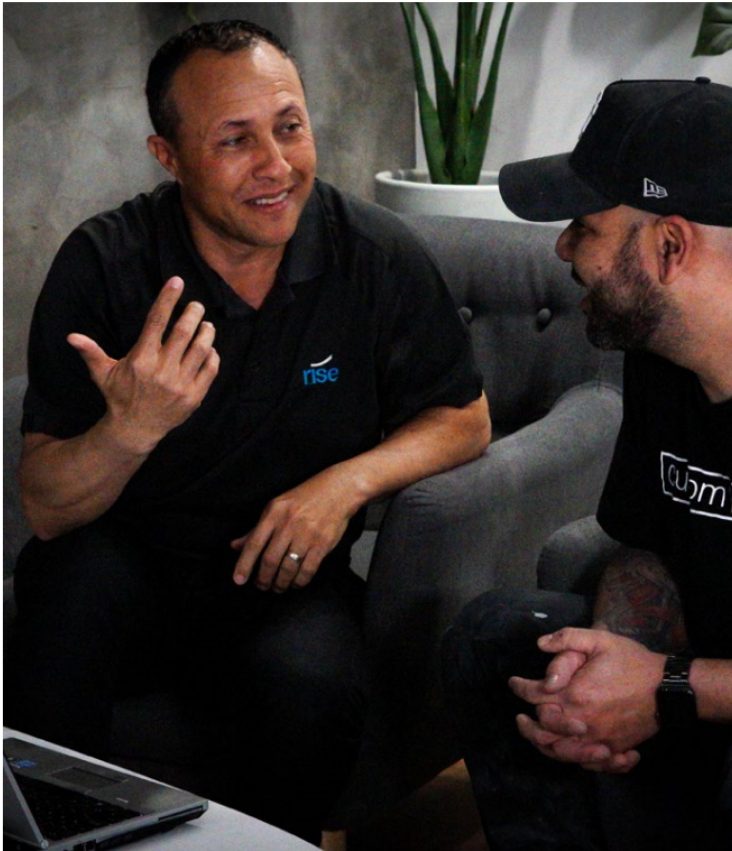
As a business owner, it’s natural to carry emotional weight for your team. That’s where having an external advisor or mentor can make a huge difference. An objective outsider can help you step back, analyse the situation strategically, and see options you might not have considered.

This doesn’t mean outsourcing your decisions; it means having a sounding board to help you think through the implications and arrive at a course of action that’s both ethical and effective.

At Rise Advisory, we often help business owners map out different scenarios, weigh up the risks and benefits, and consider both the human and financial impact. The process brings clarity, and often relief, because you’re no longer making decisions in isolation.

Communicate Clearly and Compassionately

Once you’ve made your decision, how you communicate it is just as important as the decision itself.

Be honest and direct, but also kind. Avoid blame or over-explaining. People appreciate authenticity, even when the message is hard to hear.

If it involves a team member, choose a private setting and focus on facts, not emotions. Offer support where possible, such as a reference, flexible notice period, or introductions to others in your network.

Remember: people rarely forget how you make them feel. A difficult message delivered with dignity and empathy can preserve relationships and protect your reputation as a fair leader.

Turning Hard Decisions Into Strategic Wins

Hard decisions are rarely pleasant, but they’re often necessary for growth.

Businesses evolve, markets shift, and priorities change. The ability to make clear, well-considered decisions, even when they’re uncomfortable, is one of the hallmarks of mature leadership.

When handled strategically, these decisions don’t just solve problems; they strengthen your business, your leadership, and your team culture.

If you’re currently facing a tough call, whether it’s about your people, your operations, or your direction, you don’t have to do it alone.

Contact Jerome today on 0800 747 323 and he’ll show you how to turn hard decisions into effective, informed ones that work for your business and your people.

Download your FREE copy of the Rise Advisory Key Objectives Framework worksheet.

  • This field is for validation purposes and should be left unchanged.

More Articles

Case Studies

Business Growth Icon

Download your copy of the Lead Enquiry to Invoice Guide!